
Gambling’s effects on mental health Understanding the hidden toll
The Psychological Impact of Gambling
Gambling can have profound psychological effects on individuals, often leading to an array of mental health challenges. Those engaged in gambling activities may experience heightened anxiety, depression, and stress, stemming from the uncertainty and risks associated with betting. The thrill of potentially winning can create a temporary high, but the reality of loss can lead to emotional turmoil, causing individuals to spiral into negative thought patterns. Many might even turn to an online casino in hopes of alleviating their financial burdens.
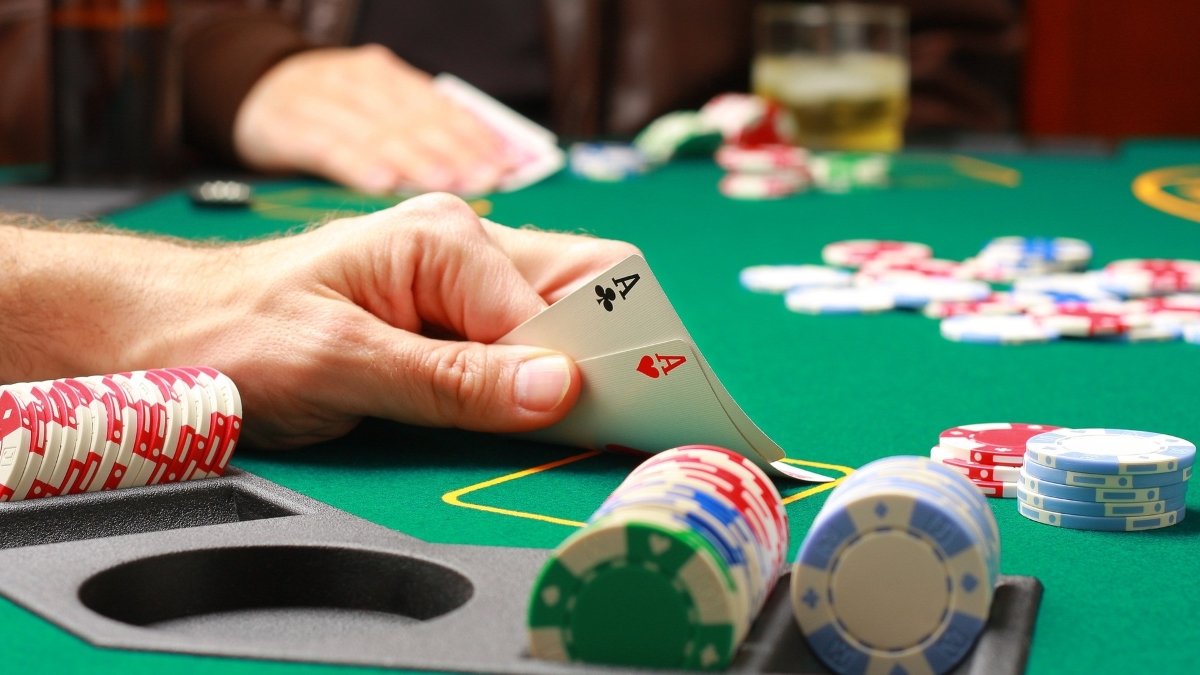
Moreover, the escapism that gambling offers can initially seem appealing, particularly for those facing personal difficulties. However, this short-term relief often masks deeper issues, creating a cycle of dependence. As individuals gamble more to cope with their problems, they may find themselves caught in a web of deceit, isolation, and overwhelming guilt, further exacerbating their mental health struggles.
The Role of Luck and Skill in Gambling
Understanding the dynamics of luck and skill in gambling is crucial when assessing its mental health impacts. Many people perceive gambling as a game of chance, but skill also plays a significant role in various forms of betting. This misconception can lead to unrealistic expectations and a false sense of control, which may contribute to mental distress when luck does not favor the gambler.
As individuals continue to gamble under the belief that skill can influence outcomes, they may invest more time and money than intended. This ongoing commitment can intensify feelings of frustration and disappointment when results do not meet expectations, leading to potential depression and anxiety. The struggle between recognizing the randomness of gambling and holding onto the belief in personal skill can be mentally taxing, perpetuating a cycle of hope and despair.
Addiction and Its Consequences
Gambling addiction is a severe condition that can lead to devastating consequences for both the individual and their loved ones. It is characterized by an inability to control the urge to gamble, despite understanding the negative repercussions. This addiction often results in financial strain, relationship breakdowns, and a decline in overall mental well-being.
Individuals suffering from gambling addiction may find it increasingly difficult to seek help due to feelings of shame or denial. This reluctance can lead to isolation, where the individual feels alienated from friends and family, worsening their mental health state. The compulsive behavior linked to gambling addiction requires comprehensive intervention, which may include therapy and support groups, to address both the gambling issue and the associated mental health challenges.
Identifying Signs of Mental Distress
Recognizing the signs of mental distress linked to gambling is essential for early intervention. Individuals who gamble excessively may exhibit changes in mood, increased irritability, or withdrawal from social activities. These signs can serve as crucial indicators that something more profound is at play, prompting the need for support and guidance.
Additionally, family members and friends can play a pivotal role in identifying these signs. Open conversations about gambling habits and emotional well-being can encourage individuals to seek help before their situation escalates. Early intervention not only aids in addressing gambling issues but also promotes better mental health outcomes, facilitating a healthier relationship with both gambling and overall life stressors.

Resources and Support for Mental Health
If you or someone you know is struggling with gambling-related mental health issues, various resources are available to provide support. Mental health professionals can offer tailored therapy approaches that address both the gambling behavior and the underlying emotional challenges. Support groups, such as Gamblers Anonymous, also provide community and understanding for individuals facing similar battles.
Finding the right support is crucial in navigating the complex relationship between gambling and mental health. Awareness and education about the effects of gambling can empower individuals to make informed decisions and seek the help they need, fostering recovery and enhancing overall well-being.